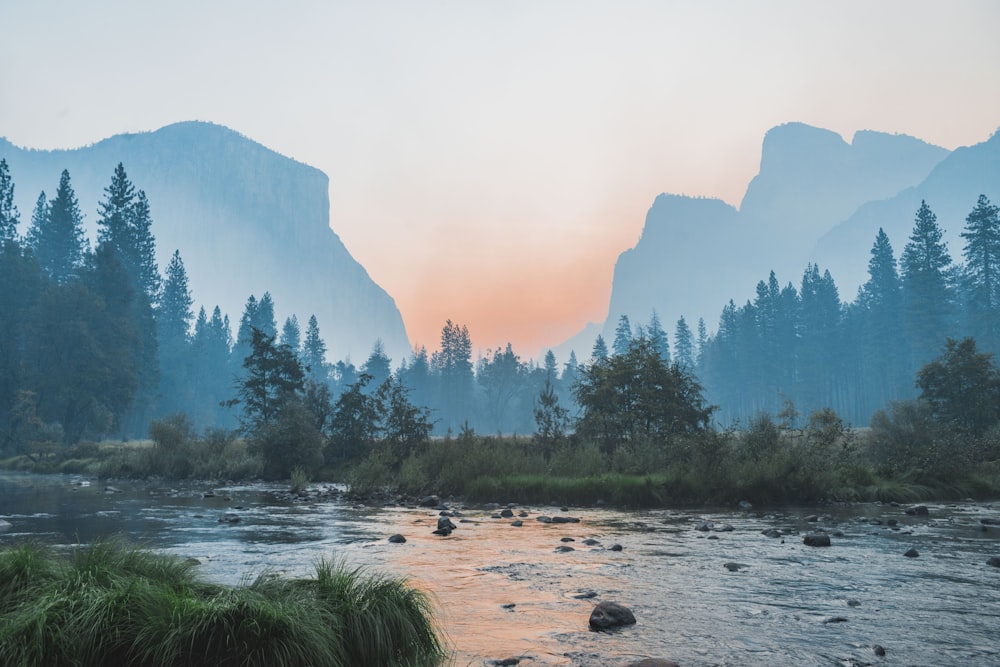
In Japan, there is a gentle art called Shinrin-Yoku literally “forest bathing.” Yet it has nothing to do with water, and everything to do with immersion. To bathe in the forest is to soak one’s senses in the quiet abundance of trees, to breathe the green air, and to allow nature’s rhythm to wash away the noise that clings to our modern minds.
The practice began in the 1980s, when Japanese researchers discovered that people who spent time among trees experienced lowered blood pressure, improved immunity, and reduced stress hormones. But long before science gave it a name, forest bathing was a way of life a return to harmony with the living world that sustains us.
A Shinrin-Yoku walk is slow, intentional, and deeply sensory. You begin not by walking quickly or talking, but by pausing. The guide may invite you to notice the play of light on bark, the fragrance of soil after rain, or the way your breath syncs with the swaying branches above. As the minutes pass, your awareness expands not outward, but inward.
Each breath brings phytoncides aromatic compounds released by trees that enhance our immune response. The forest literally shares its strength. In return, our bodies soften, our minds grow quiet, and our emotions find room to unfold naturally. It is not meditation in the traditional sense, yet every leaf and whisper becomes a mantra.

Many who experience Shinrin-Yoku describe it as a homecoming a remembering of something their souls had always known. The forest does not ask us to fix, to strive, or to perform. It only asks us to notice. And in that act of noticing, healing begins. Our nervous systems reset, our breath deepens, and a quiet joy returns to the spaces where tension once lived.
Today, the practice has traveled far beyond Japan. From wellness retreats in Europe to urban parks in India, forest bathing is inspiring a gentler rhythm of life. It reminds us that healing need not be complicated sometimes, it is as simple as standing beneath a tree and remembering how to listen.
← Back to Blogs